Adolescence Related Problems

Adolescence is a transformative period marked by rapid physical, emotional, and psychological changes. As young people navigate these changes, they often encounter a range of health problems that can affect their overall well-being. Adolescence-related problems can vary from physical conditions, such as acne and obesity, to mental health challenges, like anxiety and depression. In this section, we’ll explore the common health issues affecting adolescents, their causes, and the treatment options available.
For expert care and advice on managing adolescence-related health concerns, Dr. Isha Kriplani, the best gynecologist in Delhi, offers personalized treatment and guidance tailored to the needs of young patients.
Common Physical Problems in Adolescents
During adolescence, the body undergoes significant growth and hormonal shifts, which can lead to various physical problems. Understanding these issues is crucial for parents, caregivers, and healthcare providers to manage them effectively.
- Acne and Skin Issues: Acne is one of the most common skin conditions affecting teenagers. It occurs due to increased oil production, clogged pores, and bacterial infection, often worsened by hormonal changes. Managing acne involves a combination of good skincare practices, topical treatments, and, in more severe cases, prescription medication.
- Obesity and Weight-Related Issues: With growing independence, adolescents may develop unhealthy eating habits and a sedentary lifestyle, leading to obesity. Obesity during adolescence can contribute to long-term health issues such as diabetes, high blood pressure, and joint problems. Encouraging balanced nutrition, physical activity, and proper lifestyle choices is essential for managing weight-related concerns.
- Growth Pains and Bone Health: As adolescents grow, they often experience growing pains, which are temporary aches and discomforts in the bones and muscles. However, certain conditions, such as scoliosis or juvenile arthritis, can cause long-term issues that may require medical intervention. Regular check-ups can help monitor bone health and detect any underlying conditions early.
Mental Health Concerns in Adolescence
Adolescence is also a time of emotional and psychological development, and mental health issues can arise. Addressing these concerns early can help prevent long-term complications.
- Anxiety and Stress: Adolescents are often faced with academic pressures, social challenges, and future uncertainties, leading to increased stress and anxiety. Symptoms may include irritability, sleep disturbances, and difficulty concentrating. Therapy, stress management techniques, and sometimes medication can help manage anxiety disorders effectively.
- Depression: Depression is another mental health condition that commonly affects adolescents, often due to a combination of genetic, environmental, and hormonal factors. Signs of depression include persistent sadness, withdrawal from activities, changes in appetite and sleep patterns, and difficulty managing emotions. Seeking professional help through therapy or counseling is essential for effective management.
- Eating Disorders: Teenagers may develop unhealthy attitudes toward food and body image, leading to eating disorders such as anorexia nervosa, bulimia nervosa, and binge-eating disorder. These conditions can have serious physical and psychological consequences if left untreated. A multidisciplinary approach involving nutritional counseling, therapy, and medical monitoring is crucial for recovery.
Preventive Care and Health Screenings
Regular health check-ups and preventive care are essential to managing adolescent health issues. Early detection through screenings, vaccinations, and health assessments can help prevent the development of more serious conditions.
- Vaccinations and Preventive Screenings: Adolescents should receive regular vaccinations to protect against diseases like HPV, meningitis, and the flu. Preventive screenings, such as vision and hearing tests, are also crucial to ensure healthy development. Additionally, mental health screenings can help identify early signs of depression or anxiety, enabling early intervention.
- Healthy Lifestyle Promotion: Encouraging healthy eating habits, regular physical activity, and adequate sleep is vital for maintaining physical and mental well-being during adolescence. Providing a balanced, nutrient-rich diet, promoting outdoor activities, and creating a stable sleep routine can greatly reduce the risk of physical and mental health problems.
Treatment and Support for Adolescence-Related Health Problems
Treating adolescence-related health problems requires a holistic approach tailored to each individual's needs. Depending on the nature and severity of the condition, treatment may include:
- Medical Treatment: Prescription medications, such as acne treatments, antidepressants, or weight management drugs, may be used when necessary.
- Therapy and Counseling: Psychotherapy, including cognitive-behavioral therapy (CBT) and family therapy, is often helpful for mental health conditions like anxiety and depression.
- Nutritional Counseling: Working with a nutritionist can help adolescents maintain a balanced diet, manage weight, and address eating disorders.
- Physical Therapy: For adolescents dealing with bone or joint issues, physical therapy can provide relief and promote healing.
Our Locations

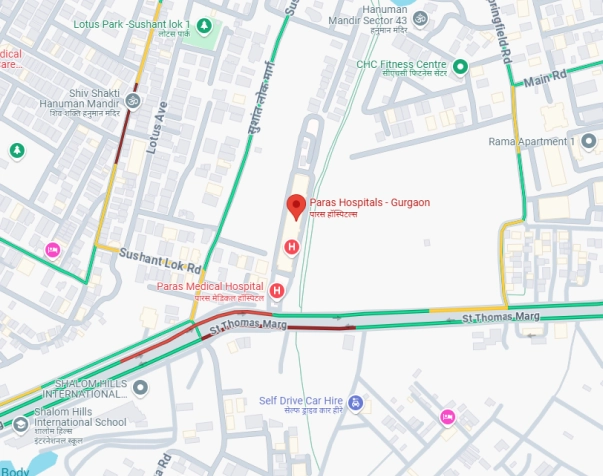
Address: Paras Hospital - Phase- I, C-1, Sushant Lok Rd, Sector 43, Gurugram, Haryana (122002)
Call Us: +91 9711710100