Gynae Health Check

A woman's gynecological health is an essential aspect of her overall well-being. Regular gynecological health checks play a critical role in maintaining reproductive health, preventing potential complications, and ensuring early detection of conditions that may require attention. Dr. Isha Kriplani is committed to providing personalized care and preventive measures to keep your reproductive system healthy.
What is a Gynecological Health Check?
A gynecological health check is a comprehensive examination designed to assess and monitor the health of a woman’s reproductive system. During a routine check-up, Dr. Kriplani will assess several key components of your reproductive health, including:
- Breast Examination: Checking for any signs of breast lumps or abnormalities that may indicate potential health concerns.
- Pelvic Exam: Assessing the health of the uterus, ovaries, and cervix, looking for any abnormalities or signs of infection.
- Pap Smear: A test used to detect abnormal cells on the cervix that could potentially develop into cervical cancer.
- HPV Testing: Screening for high-risk strains of the Human Papillomavirus (HPV), which are linked to cervical cancer.
- STI Screenings: Screening for sexually transmitted infections, including chlamydia, gonorrhea, and HIV.
- Hormonal Health: Assessing the balance of your hormones, which can affect menstruation, fertility, and overall health.
These checks are essential in diagnosing conditions such as fibroids, cysts, infections, and even early-stage cancer, which may not show symptoms at first.
Why is a Gynecological Health Check Important?
Regular gynecological check-ups are vital to your long-term health for several reasons:
- Early Detection of Health Issues: Many reproductive health issues, such as ovarian cysts, fibroids, and cervical cancer, do not present obvious symptoms until they have progressed. A routine health check helps detect these conditions early when they are easier to treat.
- Preventative Care: Routine exams can help detect pre-cancerous changes, infections, and other conditions before they develop into more serious problems.
- Reproductive Health and Fertility: A gynecological check-up allows for early monitoring of reproductive health, ensuring that potential issues do not affect fertility or your ability to conceive.
- Menopause Management: Regular check-ups help manage menopause symptoms and ensure that any changes in hormone levels are properly addressed.
- STI Prevention and Awareness: STIs often have no visible symptoms, but they can lead to severe complications like infertility if left untreated. Routine screenings for STIs can help ensure early detection and proper treatment.
What to Expect During a Gynecological Health Check?
A gynecological health check typically includes the following components:
- Medical History: Dr. Kriplani will review your medical history, including any previous gynecological issues, menstrual health, family health history, sexual activity, and lifestyle factors that may impact your health.
- Breast Examination: A manual exam of the breasts to check for any lumps, abnormalities, or changes that could indicate a potential issue.
- Pelvic Exam: A physical exam of your reproductive organs, including the cervix, uterus, and ovaries, to check for any abnormalities such as cysts, fibroids, or infections.
- Pap Smear and HPV Testing: If due, a Pap smear will be conducted to check for abnormal cervical cells, and HPV testing may be included to detect any high-risk strains of the virus.
- STI Testing: Depending on your age, sexual activity, and risk factors, Dr. Kriplani may recommend testing for sexually transmitted infections (STIs) like chlamydia, gonorrhea, or HIV.
- Hormonal and Fertility Assessment: For women experiencing irregular periods, infertility, or menopause symptoms, hormonal assessments and related evaluations may be recommended to ensure balance and proper management.
When Should You Get a Gynecological Health Check?
It is recommended that women begin gynecological health checks at the age of 18 or when they become sexually active. From there, the frequency of visits may vary depending on your age, health history, and specific health concerns.
- Ages 18-29: Annual or bi-annual check-ups are recommended, depending on your health and sexual activity. Pap smears should begin at age 21 and continue every 3 years.
- Ages 30-65: Every 1-3 years, with additional testing based on personal health history. Pap smears every 3 years or co-testing with HPV testing every 5 years may be recommended.
- Ages 65+: If you have had normal screenings and are not at high risk, you may be able to stop regular check-ups. However, consult with Dr. Kriplani for guidance on when to discontinue exams.
What Are the Benefits of Regular Gynecological Health Checks?
- Early Detection of Cancer: Regular Pap smears and pelvic exams help detect cervical, ovarian, and uterine cancer early, leading to better treatment outcomes.
- Prevention and Management of STIs: Regular screenings can detect infections that may be asymptomatic but could lead to complications if untreated.
- Improved Reproductive Health: Early identification of issues like polycystic ovary syndrome (PCOS), fibroids, and endometriosis can prevent complications with fertility.
- Personalized Care and Guidance: Regular visits provide the opportunity to discuss your menstrual health, contraceptive options, family planning, and menopause management with Dr. Kriplani.
Why Choose Dr. Isha Kriplani for Your Gynecological Health Check?
Our Locations

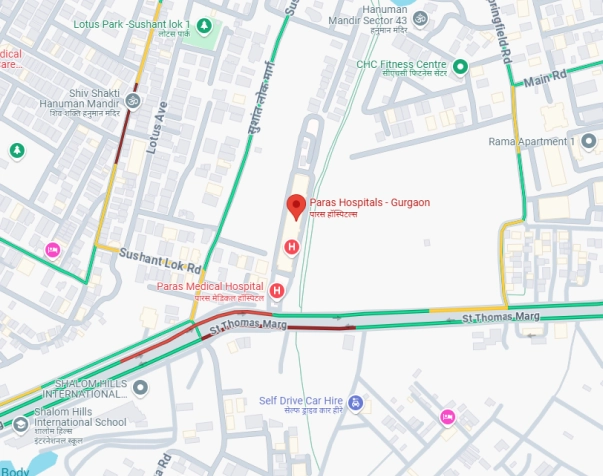
Address: Paras Hospital - Phase- I, C-1, Sushant Lok Rd, Sector 43, Gurugram, Haryana (122002)
Call Us: +91 9711710100